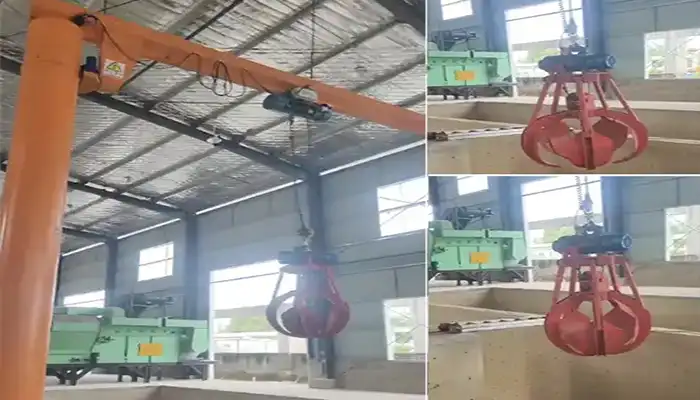
Jib Crane Environmental Considerations for Tough Work Areas
menu_open
Content Quick Link
Key Takeaway
Selecting the right jib crane for challenging environments ensures safety, longevity, and optimal performance, avoiding costly downtime and maintenance.
- Understand how outdoor weather, corrosive substances, or high-temperature work zones affect jib crane design.
- Learn which materials, coatings, and protective measures increase crane durability.
- Discover how to maintain performance and safety in extreme conditions.
- Identify common buyer questions and considerations before purchasing cranes for specialized environments.
- Evaluate installation, maintenance, and operational requirements for different environments.
Questions Solved Here
- Can a standard jib crane work safely outdoors or in high heat?
- What modifications prevent corrosion in chemical or coastal work areas?
- How does temperature affect lifting capacity and safety features?
- Which materials, coatings, and hoists are best for harsh environments?
- What inspection and maintenance schedules ensure long-term reliability?
Introduction
The environment your jib crane operates in can make or break its performance. Harsh conditions—whether heat, moisture, or corrosive chemicals—affect everything from lifting capacity to electrical reliability. Even a well-built crane can wear out faster if the environment isn’t considered during selection and installation.
Let’s break down the types of challenging environments where jib cranes are commonly used:
- Outdoor facilities: Constant exposure to rain, wind, snow, and sunlight can damage motors, hoists, and structural steel. Left unchecked, these factors lead to rust, mechanical failure, and downtime.
- Coastal areas: Salt in the air accelerates corrosion on steel surfaces, trolleys, and electrical components. Coastal cranes need extra protection to remain safe and reliable.
- Chemical plants: Fumes and splashes of acids, alkalis, or other chemicals can eat away at coatings and metal parts, impacting crane safety and function.
- Foundries and hot metal zones: High temperatures and radiant heat can weaken structural parts, degrade wire ropes, and affect hoist performance if the crane isn’t designed for heat exposure.
Ignoring these factors comes at a cost. Equipment failures in harsh conditions lead to lost productivity, expensive repairs, and potential safety hazards for operators. In many cases, retrofitting a crane to handle tough environments is far more expensive than specifying the right features upfront.
Planning for environmental conditions ensures your crane lasts longer, works reliably, and keeps your team safe. It also helps avoid unexpected expenses and protects your workflow from unnecessary interruptions.
Outdoor Work Areas
Operating a jib crane outdoors comes with unique challenges. Weather, temperature swings, and environmental exposure can affect the crane's structure, hoists, motors, and electrical systems.
Crane Design Solutions for Outdoor Use
To keep outdoor jib cranes performing reliably, manufacturers often include:
- Weatherproof enclosures for motors and electrical panels to prevent water ingress and electrical shorts.
- Galvanized or stainless steel components for the main structure and trolleys to resist rust and corrosion.
- Outdoor-rated hoists and accessories, designed to operate safely in damp or sun-exposed conditions without loss of lifting capacity.
Installation Considerations for Outdoor Cranes
Planning the crane's placement is as important as its design. Key points include:
- Anchoring foundations to handle high wind loads and prevent tipping or excessive vibration.
- Height and rotation planning to minimize exposure to direct weather impact and optimize reach without compromising safety.
Maintenance Tips for Outdoor Cranes
Even with the right design, outdoor jib cranes require regular care:
- Lubricate moving parts according to manufacturer recommendations.
- Inspect protective coatings and reapply as needed to prevent corrosion.
- Check the crane after storms or extreme weather for damage to structural or mechanical components.
Corrosive Environments
Jib cranes operating in corrosive environments face challenges from chemicals, saltwater, acids, or alkaline substances that can damage steel, mechanical parts, and electrical systems.
Crane Design Solutions for Corrosive Conditions
Choosing a crane designed for corrosive conditions can save time and maintenance costs. Typical solutions include:
- Corrosion-resistant coatings such as epoxy paints, powder coatings, or specialized industrial finishes to protect structural components. Check industrial jib crane on portsite with high corrosion-resistant features.
- Stainless steel or special alloy parts in critical areas like hoists, trolleys, end carriages, and fasteners to resist chemical attack. Check jib crane for food industrial sectors.
- Sealed electrical and mechanical systems to prevent corrosive substances from entering motors, gearboxes, or control panels.
Operational Tips for Corrosive Environments
Even corrosion-resistant cranes need careful handling in harsh environments:
- Limit exposure of sensitive parts by positioning the crane or shielding components from direct contact with corrosive aerosols.
- Frequent cleaning and inspections to remove chemical residues and detect early signs of corrosion before they become serious.
- Adjust lubrication routines using chemical-resistant greases or oils that withstand exposure to acids, alkalis, or saltwater.
Hot Work Areas
Cranes operating near furnaces, molten metal, kilns, or casting lines face extreme heat that can weaken steel, degrade hoists, and affect electrical systems. Proper design and operation are essential for safety and reliability.
Crane Design Solutions for High-Temperature Operations
To handle high-temperature operations, cranes should include features specifically rated for heat exposure:
- High-temperature hoists and wire ropes designed to maintain lifting capacity even under prolonged heat.
- Heat-resistant coatings and paint on the main structure to prevent metal fatigue and warping.
- Fireproofing for critical components and insulated electrical panels to protect motors, switches, and controls from heat damage.
Operational Tips in Hot Work Environments
Proper operation and monitoring are crucial for heat-exposed cranes:
- Monitor crane temperatures regularly and limit operating duration in extreme heat zones to prevent overheating.
- Ensure safety devices like limit switches, overload protection, and emergency stops are rated for high temperatures.
- Schedule frequent maintenance checks for warping, cable wear, and lubrication degradation caused by heat exposure.
Combined Environmental Considerations
Work environments can present multiple challenges at once, such as wind, salt air, and extreme heat. Cranes need multi-protective designs to operate safely and reliably in these conditions.
Selecting Cranes with Multi-Protective Solutions
When cranes face multiple environmental extremes, choose equipment built for overlapping challenges:
- Structural steel treated for corrosion while also being heat-resistant.
- Hoists and wire ropes rated for both moisture and high temperatures.
- Sealed and insulated electrical systems to protect against humidity and heat exposure.
Customizations for Harsh Conditions
Practical modifications can significantly improve crane performance and lifespan:
- Enclosures for motors, gearboxes, and control panels to protect against dust, moisture, and heat.
- Specialized coatings combining corrosion resistance with heat protection.
- Heat shields or barriers near hot work zones to prevent structural warping or electrical damage.
- Specialty hoists and components designed for multi-environment operation.
Safety and Compliance
Protecting operators and equipment in harsh environments requires adherence to regulations, proper PPE, and modern safety technology.
Regulatory Standards
Industrial cranes must comply with OSHA and local safety regulations, which vary depending on the environment:
- Outdoor/coastal cranes may require wind load testing, grounding, and corrosion-resistant materials.
- Cranes in chemical or corrosive areas must follow hazardous location standards, including sealed motors and electrical enclosures.
- Hot work zones require equipment rated for extreme temperatures and fire-resistant components.
Personal Protective Equipment (PPE)
Operators must use proper PPE to stay safe in challenging conditions:
- Hard hats, gloves, and steel-toed boots for general safety.
- Heat-resistant clothing in high-temperature zones or chemical-resistant gear in corrosive areas.
- Eye protection and face shields when handling molten metal or chemicals.
Automation and Sensors
Modern technology can reduce human exposure and improve safety:
- Environmental sensors monitor temperature, humidity, or chemical presence and alert operators.
- Automation features, including remote operation or automatic hoist control, keep workers away from hazardous zones.
- Limit switches and overload protection ensure safe crane operation, even in extreme conditions.
Cost vs. Longevity
Selecting the right crane for harsh environments requires weighing upfront cost against long-term reliability and safety.
Short-Term vs. Long-Term Investment
Understanding the financial impact of your crane choice helps prevent hidden costs:
- Short-term approach: Standard cranes without environmental protection may save money initially but can quickly suffer rust, worn hoists, and electrical failures.
- Long-term approach: Cranes with corrosion-resistant materials, heat-rated hoists, and protective coatings ensure performance, reduce maintenance, and extend service life.
Benefits of Environmental Customization
Customizing cranes for harsh environments improves operational efficiency and ROI:
- Reduced downtime: Environmentally rated cranes are less likely to fail, keeping production running smoothly.
- Lower maintenance costs: Protective coatings, sealed components, and heat-resistant features reduce repairs and replacements.
- Improved safety: Equipment designed to withstand environmental stresses protects operators and minimizes accident risks.
- Extended service life: Properly customized cranes can last years longer than standard models, maximizing ROI and lowering total cost of ownership.
Maintenance and Inspection
Custom maintenance routines and regular inspections are crucial for safe and reliable crane operation in harsh environments.
Customized Maintenance Schedules
Maintenance should be tailored to the environmental conditions where the crane operates:
- Outdoor cranes: Inspect for rust, loose fasteners, and storm damage. Lubricate moving parts and check protective coatings regularly.
- Corrosive environments: Increase cleaning and inspection frequency to remove chemical residues. Watch joints, bolts, and hoist components for early corrosion signs.
- Hot work areas: Monitor heat-exposed wire ropes, hoists, and electrical components frequently. Look for warping, degraded lubrication, or structural fatigue caused by heat.
Key Inspection Points
- Structural integrity: Check beams, end carriages, and trolleys for cracks, bends, or corrosion.
- Hoist performance: Ensure smooth operation, correct braking, and rated lifting capacity, particularly for cranes exposed to heat or chemicals.
- Electrical systems: Inspect wiring, limit switches, and control panels for moisture, heat, or chemical damage.
- Protective coatings: Evaluate paint, epoxy, or powder coatings and reapply as necessary to maintain corrosion and heat resistance.
Record-Keeping and Predictive Maintenance
- Maintain detailed inspection logs to track trends and spot early warning signs of wear.
- Use predictive maintenance strategies, such as scheduled replacement of heat-affected hoists or wires, to prevent unexpected failures.
- Document maintenance tasks and environmental conditions to support warranties and future upgrades.
FAQs – Crane Buyers' Most Common Concerns
When selecting jib cranes for outdoor, corrosive, or hot work areas, buyers often have similar questions. Understanding these concerns helps you make informed decisions, avoid costly mistakes, and ensure safe, reliable operation.
1. Can a standard jib crane withstand outdoor weather?
Not usually. Standard cranes are built for indoor, controlled conditions. Outdoor exposure to rain, wind, and UV rays can cause rust, damage motors, and degrade hoists.
Solutions: Look for cranes with weatherproof electrical enclosures, galvanized steel components, and hoists rated for moisture and temperature swings.
2. Which cranes are best for chemical plant or coastal conditions?
Cranes in corrosive environments need protective coatings, sealed electrical components, and corrosion-resistant materials like stainless steel or special alloys. Coastal areas with salt air and chemical plants with acidic fumes require extra attention to hoists, trolleys, and structural parts to prevent early deterioration.
3. How do high temperatures affect lifting capacity?
Extreme heat can reduce the strength of wire ropes, warp structural steel, and degrade motor or hoist performance.
Design solutions: Cranes designed for hot work areas use heat-rated wire ropes, high-temperature hoists, and insulated electrical panels to maintain lifting capacity and ensure safe operation.
4. Are there protective coatings that really prevent rust in salty environments?
Yes, but not all coatings are equal. Epoxy paints, powder coatings, or specialized industrial finishes protect against corrosion but require proper application and periodic inspection. Stainless steel or coated alloys provide additional long-term protection when paired with regular maintenance.
5. How often should I inspect cranes in harsh environments?
- Outdoor cranes: After severe weather and at regular intervals (e.g., monthly or quarterly).
- Corrosive environments: More frequent checks to detect early signs of rust or chemical damage.
- Hot work zones: Monitor structural integrity, hoist performance, and lubrication regularly. Detailed logs and predictive maintenance help prevent surprises.
6. Can I retrofit an existing crane for a corrosive or hot work area?
In some cases, yes. Protective coatings, sealed electrical components, or heat shields can be added. However, retrofitting is often more expensive and less reliable than purchasing a crane designed for the specific environment. Retrofitted cranes may also have limitations in lifting capacity or lifespan.
7. How do installation and foundation requirements change for extreme conditions?
Foundations must account for wind loads, temperature expansion, or chemical exposure. Outdoor cranes may need deeper anchoring or reinforced footings. Corrosive or hot environments may require protective covers or additional shielding for structural components. Planning early ensures stability, safety, and long-term performance.
Conclusion
Selecting a jib crane for challenging environments—whether outdoor, corrosive, or high-temperature—is more than a technical choice. It directly impacts safety, productivity, and the longevity of your equipment. Cranes that are designed or customized for the environment they operate in are less likely to fail, reducing maintenance costs and preventing downtime that can disrupt operations.
Planning ahead matters. By considering materials, protective coatings, heat- or corrosion-rated hoists, and maintenance routines before purchase, you avoid costly retrofits and ensure your crane performs reliably from day one.
Investing in the right features up front not only protects workers and equipment but also delivers a strong return on investment. A well-suited jib crane keeps operations smooth, extends service life, and allows your facility to handle tough industrial environments safely and efficiently.

Article by Bella ,who has been in the hoist and crane field since 2016. Bella provides overhead crane & gantry crane consultation services for clients who need a customized overhead travelling crane solution.Contact her to get free consultation.